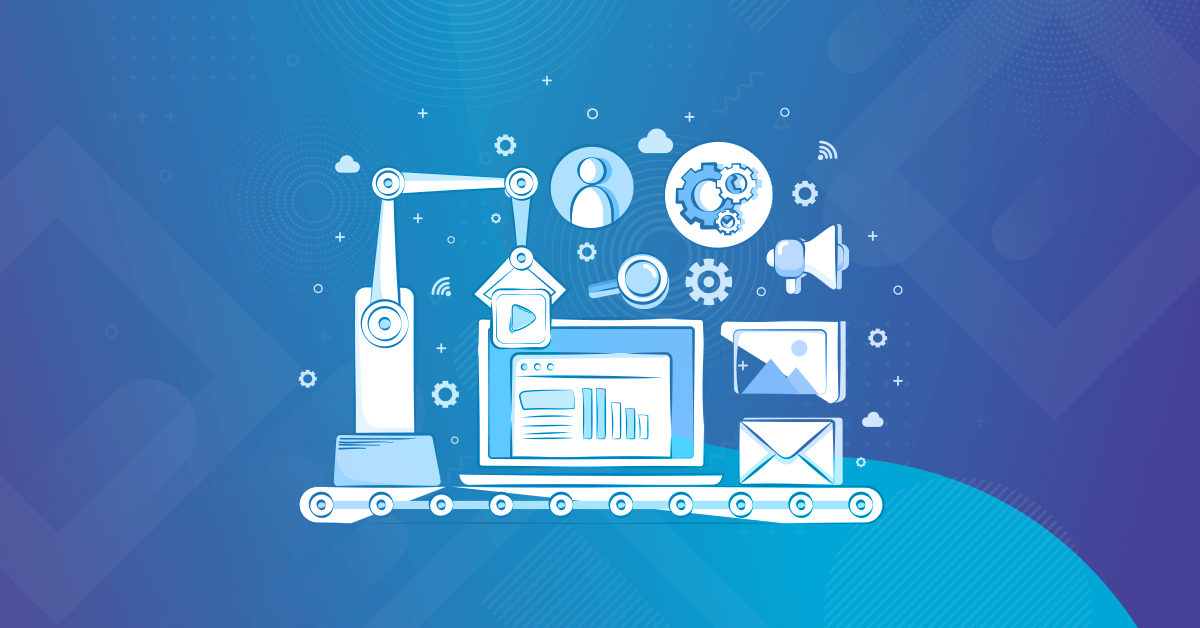
5 Best Marketing Automation Tools in 2021

Marketing automation – a gold rush for the e-commerce world.

Suppose Emma is the owner of a clothing store in the country with a big fanbase as the buyers love the variety they have to offer, and the product quality is also good.

However, after so much success, there were myriad challenges the store was facing – handling the extensive database manually, converting their website visitors into subscribers,  customer engagement, and personalized content promotion to subscribers to improve customer retention.

Emma recognized the need for a solution to overpower these problems. 

Luckily, Emma got to know about marketing automation tools available for e-commerce stores, which helped her store create healthy, fruitful, and holistic customer profiles. 

These marketing automation tools also helped her analyze profiles and segment her store customers into highly targeted audiences, ensuring the right message gets to the right person, on the right channel, at just the right time.

And, with the help of the latest marketing automation tools, Emma could manage her database, sell more, and provide relevant and valuable information to their targeted audience.

To understand more why Emma chose marketing automation to help her e-commerce store, let’s dive right in.

Marketing Automation Tools for E-commerce

Here is the best marketing automation tools list we have curated for all e-commerce businesses across the globe.

1. Hubspot

hubspot-homepage

HubSpot is an all-in-one, integrated marketing platform, which comes with its marketing automation toolkit. Use HubSpot for Shopify to integrate your online store data with the leading mid-market CRM, marketing automation, and customer service software. HubSpot’s workflows tool is automation beyond email, so you can scale your growth and spend less time on repetitive tasks.

You can upgrade your marketing with Hubspot by creating abandoned cart email nurturing, smart CTAs in content, product-specific re-engagement ads, etc. It will power up your campaigns with workflows to automate on-going manual actions.

Integrates with Facebook,  Eventbrite, AdWords, Facebook ads,  SurveyMonkey,  Zapier

Key features:

  • Lead nurturing on autopilot with email drip campaigns
  • Quickly visualize, customize, and personalize your workflows.
  • Use advanced segmentation logic to determine who gets enrolled in your workflows and when.
  • With HubSpot marketing automation, you can use each lead’s behavior to tailor emails, content, offers, and outreach at scale.

2. Pardot

pardot-homepage

Pardot offers powerful marketing automation to help marketing and sales teams find and nurture the best leads, close more deals, and maximize ROI.

Pardot provides a full solution that helps marketers create meaningful connections, generate more pipeline, and empower sales to close more deals.

Key features:

  • Generate more leads and move them quickly through the pipeline
  • Engage buyers on their terms with dynamic, personalized campaigns
  • Understand each step from click to close, capturing real marketing ROI
  • Keep your pipeline fully stocked with a steady flow of high-quality leads using Pardot’s landing pages, forms, search tools, and social connectors.
  • Turn sales data into marketing action by triggering campaign activity off of CRM data.

3. Wigzo

wigzo marketing automation tool

Wigzo is an omnichannel marketing automation tool that helps many e-commerce companies to streamline their work. It allows B2B and B2C brands to run all aspects of their marketing strategy on a single platform, from concept to execution.

With Wigzo, all actions are getting performed in a unified manner across all channels (Email, SMS, Whatsapp, Onsite, Push notifications, and more). By automating the process, your team can segment and personalize strategies to be displayed to various sets of individuals and define when to deploy what kind of content and campaign, all without sinking an overwhelming extra amount of time into repetitive tasks. 

It tracks, analyzes all customers, orders, products, and personalizes the entire marketing content and helps sales-driven marketers to increase ROI.

Integrates with SendGrid,  Twilio,  elastic mail, Active Campaign, Facebook, Google analytics

Key features:

  • Wigzo Automation Suite with web push notification, Email, SMS, and Facebook Messenger help to engage and retain web subscribers by sending them the right message at the right time.
  • Wigzo’s advanced Machine Learning Algorithm recommends products by tracking user behavior and products that might interest them. Engaging visitors in personalized communication will help understand their interests and yield up to 24% Higher Conversion Rates.
  • Wigzo’s browser push notification was built mindfully and tested to target every visitor who performed an activity.
  • Integrating and setting up Wigzo’s automation suite is a 5 seconds task. With no technical support, the user can click on a get app button and start using it.

4. ActiveCampaign

activecampaign

ActiveCampaign is an email marketing automation tool that helps you reach the right contacts with the right message at the right time along with advanced segmentation and personalization.

Integrates with Facebook Audiences,  Typeform,  Salesforce,  Unbounce, Google Analytics, Instapage

Key features:

  • View preferences and behavioral data to personalize buyer interactions 
  • Create custom segments, tags, and lists to send timely and relevant emails to different groups 
  • Quickly reach out to customers regarding an abandoned cart or product review. 
  • Boost your current email marketing strategy with machine learning capabilities like Predictive Sending 
  • Show each customer the content that matters to them with conditional content and product blocks.

5. Eloqua

eloqua-homepage

Eloqua is a cloud marketing automation offered by Oracle that aims to help B2B marketers and organizations manage marketing campaigns, and sales lead generation.

Eloqua sends marketing advertisements to mobile devices, email, video, and search results pages.

You can use it to set-up complex email campaigns, and ideal for businesses requiring a high level of sophistication. With Eloqua’s workflow tool, you can even manage your CRM, inform lead scores, and nurture your contacts with email campaigns.

Key features:

  • Eloqua features a marketing campaign planning canvas and email automation to target customers and prospective clients.
  • It stores the information of tracked customers and prospective clients such as company, job title, name, address, email, and phone in its database for analysis.
  • Eloqua users can set up workflows and drip campaigns that qualify leads based on whether they complete an action such as opening an email or clicking a link in an email.
  • Seamless integration with third-party tools like Dynamics, salesforce
  • It can customize link tables to receive personal reporting/track records of the emails.
Best Marketing Automation strategies 2021

Here are some ways to boost your marketing efforts with automation tools.

For businesses, there are endless strategies and trends to incoporate. This includes optimizing different business fields and staying up to date on marketing automation trends to successfully enjoy the business benefits that come with it.

1. Increase engagement with terrific content.

Customer retention goes beyond closing a sale. It’s imperative to take certain steps so that they will stick to your brand. Marketing automation can be used to renew customers’ interest and facilitate repeat purchases. The issue of abandoned shopping carts is quite rampant. One of the factors responsible for this is high shopping costs. The good thing about marketing is that you can always discover fresh opportunities for any situation. Well-timed follow-up emails can encourage customers to make a purchase, especially if they contain exciting offers.

According to Demand Gen Report, the demand for high-quality content is getting higher. Designing a content marketing strategy is a must, whether you’re offering a product or service. Maintain consistency on all platforms to project a uniform brand image and develop trust.

2. Organize drip campaigns.

Drip campaigns have the capacity to improve your click-thru rate drastically compared to regular emails. It involves sending follow-up emails that align with the preferences of each lead. A simple action like sending a welcome email as soon as lead signs up means a lot to them.

Organizing successful drip campaigns isn’t rocket science. Brands that maximize them usually experience more sales and ROI in the long run. This approach can establish you as a force to be reckoned with in your industry in no time.

3. Nurture quality leads.  

It’s impossible to convert every lead to a loyal customer, so identify the ones eager to know more about your product and services. This is a sure way to better market your brand to your prospective customers and prevent waste of resources. Gather valid contact details via lead forms. A forecast by Forrester showed that lead nurturing results in over 50 percent increase in sales at a reduced cost of 33 percent.

Target automated campaigns to quality leads and reveal your unique selling point subtly. They are bound to grab irresistible offers like special discounts. Sales agents can be assigned to send follow-up emails like product recommendations at the right time.  

4. Segment your contact lists.

Parameters for segmenting leads include geographical location and demographics. Another way to break them down is to research the factors that influence your customers’ purchasing decisions. Marketers who prioritize list segmentation often discover that they get the most out of their digital marketing campaigns. As long as you address clients’ needs, it’s the key to boosting customer retention. Ensure that you send the most suitable message at each stage.  

5. Learn from top performers.

Top performers exist in all sectors of the economy. You need to do your due diligence if you’ve yet to identify them in your industry. They have a wealth of experience because they’ve tried different approaches. Subscribe to their newsletters and observe the content they share on different platforms. These top performers can range from individuals who are experts in their field and have shown good knowledge on the marketing automation trend to tech-savvy businesses who have long implemented the trend and are reaping huge benefits from it. Although this strategy can be time-consuming, it will teach you a lot and promote better relations with your target audience. Consider paying for intensive training to enjoy hands-on knowledge and experience.

6. Boost employee performance.

Several brands rely on marketing automation to share data and foster collaboration among team members. It’s common for different departments to depend on each other. Hence, to reduce errors due to human inefficiency, your organization can leverage CMMS software to ensure total productive maintenance. This makes it easy for an organization to prepare the necessary tools and allocate tasks to competent employees while the software handles the rest.

Make sure that you carry everyone along and organize workshops if necessary. A detailed automation plan must be in place before you start attracting customers. Anything short of this will fail to produce the desired results.  

7. Monitor results.

Tracking your business’s performance is very important, and this entails more than checking weekly or monthly reports. A marketing automation strategy is incomplete if it lacks well-defined goals and objectives. Any goal that you set must be measurable. There are many tools for tracking results and performing A/B tests, and more still will emerge. Some marketing automation software even comes with preinstalled tracking tools. Take advantage of them to know how to evaluate the engagement level of your audience and uncover the effective strategies. This can go a long way to boost the efficiency of the support team and other concerned departments.

Opt for a vendor that can provide instant customer support, and test the software before buying it. Eager as you may be to maximize marketing automation, you must tread with caution to retain the human touch. The bottom line is to use automation to manage repetitive tasks in email marketing, upselling, social media marketing and the like.

Conclusion

Each and every marketing automation strategy given above is helpful and by adopting these strategies you will definitely make a positive change to your campaign because customer is everything and these strategies is moving around customer.

Use OF SMS Marketing to Boost Ecommerce Conversions

The word of ecommerce is absolutely exploding. Every day there are hundreds of new online stores that are popping up around the world and for good reason…that’s where the money is. In fact, over half of all internet users somewhat regularly shop online. Almost 75% of all millennials prefer to shop online over an in-store experience.

There’s gold in ecommerce, but where there’s opportunity, you’ll find competition.

Because of the ecom market saturation in various industries, merchants are forced to be on point with their digital marketing efforts and get creative with how they drive traffic and conversions. One channel that is becoming quite popular is SMS marketing.

What is SMS Marketing?

SMS marketing (you guessed it) is simply marketing to your customers via text messaging. Its effectiveness is incredible, though. It allows you to cut through the clutter of most traditional marketing channels by engaging your customers where they’re spending more and more time…their mobile devices. If you sit back and think about it, not many people ignore their texts. In fact, over 90% of all text messages are read within 5 minutes.

While text messaging is traditionally reserved for communicating with friends and family, consumers find real value in allowing their favorite brands to communicate specific types of messages to them via SMS.

This opens up a whole new channel of communication and strategy that ecommerce merchants are using—snagging the attention of their customers and delivering value to their fingertips.

Now initially, you might think “I don’t want MY phone blowing up with text messages from everyone I shop with.” Fortunately, while that’s the way of email, the good news is that SMS marketing is far from that.

Text marketing is permission-based and requires explicit consent before any messages can be sent. Furthermore, there can be serious legal consequences for sending unsolicited texts. This puts you in the clear for adopting this powerful marketing channel as long as your customers opt in.

Why You Should Care

As previously stated, owners of ecommerce stores need to use every digital marketing method in the book to grow their business and win online. Many are experiencing huge success with SMS marketing. While there are many reasons why text messaging should be the next weapon in your marketing arsenal, here are a few key reasons why this should have your attention.

The Open Rates Are Incredible

Total open rates for text messages hover around 99% and the majority of that happens within the first 5 minutes—that’s insane! Compare this to email marketing where you’re likely seeing a 25% open rate at best. There’s no contest. If you’re looking to drive immediate traffic, it’s silly not to adopt SMS marketing.

Click-Through Rates Soar Over Email

Let’s draw the same comparisons with click through rates. The average click through rate for an SMS marketing campaign is around 36%. Compare that to email click through rates and it falls to the floor at just above 3%. Some ecommerce site owners have actually claimed they split large text messaging lists up into segments, as single large text blasts drive too much traffic at once.

It’s All Mobile

The world lives on their mobile devices. Popular search engines like Google have directly come out and said they are now prioritizing a mobile experience above desktop. Because SMS is still the number 1 form of mobile communication today, there couldn’t be a better channel to engage with your customers.

It’s Still Fresh and Untapped

While many ecommerce sites are absolutely crushing it with text marketing, it still hasn’t hit critical mass. Many people still haven’t even considered it. This gives you the advantage over many competitors who likely haven’t taken the time to dive in, or who are ignorant about the undeniable ROI.

How Ecommerce Uses SMS Marketing

So, we’ve made it abundantly clear why you’re missing the train if SMS marketing isn’t in your toolbox of marketing channels. With that said however, it’s helpful to see how existing ecom merchants are leveraging text message marketing in various capacities. Here are 7 actionable ideas for putting rubber to the road and putting a strategy in place.

Grow Your List at Checkout

You may have asked yourself, “how will I get people to join my VIP text list as an online store?” Texting to join has always been the number one way that people subscribe to SMS marketing lists and the process is quite simple. When you launch a text program, you will create what’s called a “keyword.” It’s a word or phrase that people will text to a short phone number called a short code.

When people text that keyword, they are instantly subscribed to your list and will receive a customizable auto-response. This response simply confirms their subscription and should deliver on some sort of incentive created for subscribers to join in the first place.

While that method for opting people in works extremely well, what seems to work even better for ecom sites is opting people in at checkout. This involves capturing people’s mobile numbers when completing their transaction. Generally, you’ll have a box that they can check to opt into receiving SMS marketing which should contain some specific compliance verbiage to make the opt in compliant with mobile carrier guidelines.

This verbiage would say something like: “I agree to receive text message from XYZ brand. Up to 4 messages / month. Reply HELP for help, STOP to opt out. Message and data rates may apply. Terms & privacy policy here: http://myprivacypolicyhere.com”.

Opting in at checkout works well for many reasons and offers additional benefits. Some of those include:

  • Every customer has to go through the checkout form and thus is presented with an opportunity to opt in front and center.
  • Opt ins through the checkout flow allow you to capture additional data about who’s subscribing such as their name, last purchase date, order values, and items purchased. This rich data will allow you to segment your subscribers based on a multitude of different things and help you target them at a more granular level.
  • Customers who elect to receive your marketing can be instantly subscribed if the SMS marketing service that you choose offers integration options with your ecommerce solution or provides an open API.

One Off Promos

Sending one off SMS promotions is probably the most common and well known use case for text marketing. It’s pretty straight forward too. You’re simply doing a text blast to your subscriber list with some type of offer that drives people to your website. The key to maximizing your success here is to do a few specific things.

  • Add time pressure to your offer. create a sense of urgency by having your offer expire. This will cause more people to take immediate action when your message lands on their phone.
  • Provide a direct link to the product or product category that you’re looking to push. You want to make things as easy as possible for your customers. Take the hard work of site navigation out and send them directly to where they need to be.
  • Personalize your message. If you’re opting people into your text list at checkout, then it’s likely that you’re capturing their name as well. By addressing each person in your text blast by name, you are getting even more personal, which grabs additional attention and pushes engagement levels even higher so that way personalized messages are used.

In addition to crafting a great message, it’s important to keep in mind how often you’re texting your customers. Show respect by not texting them every day and only do a text blast when you have something of real value to send out. This may include additional discounts for sale items, free shipping, and coupon codes.

The key to being successful with SMS can boil down to value. Make sure you are bringing value with each message. This is one of the core best practices for SMS marketing.

Unique Coupon Codes

Sending unique coupon codes is a home run for ecommerce. Depending on your SMS provider, you will have the ability to provide each subscriber in your text blast with a unique coupon code that can only be used once. This helps to prevent against offer abuse and makes people feel like they’re part of an ultra-special group that has access to offers that other people don’t. When that light goes off and they understand that they are entitled to something valuable, you’ll have these people on your text list forever.

Birthday Rewards

Take the personal touch to a whole other level by offering happy birthday text messages to your customers. Nothing says you’re paying attention like scoring them a unique deal on their special day.

In almost all cases, you should be able to automate this entire process. Plus, the engagement from these messages alone are incredibly high. Combine this with your unique coupon codes to ensure that these rewards are not shared among friends and you’ll see these bring value every day.

Automated Purchase Reminders

Do you offer products that people return to purchase on a regular basis? Setting up automated SMS reminders can be really helpful for reminding people to replenish their stock on certain items.

If you can set up an integration between your ecommerce site and your mass texting service, you should not only be able to automate these messages, but also have them intelligently send based upon customer’s last purchase date. This is key. The more relevant and personal you can make your messages, the higher the engagement, click through, and conversion you’re going to see.

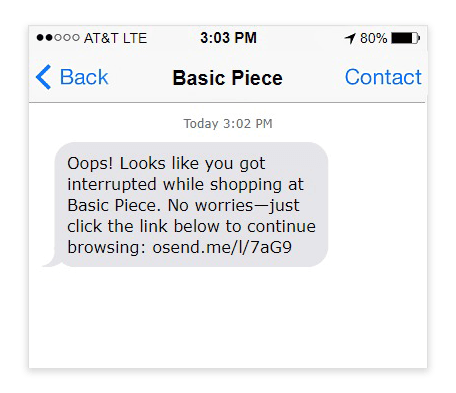
To take it a step further, if your ecommerce solution offers the ability to identify abandoned carts, you can set up text message alerts here as well. If you’re on your game, you’ll already be doing this via email. However, sending a personalized text reminding them to pick up where they left off is powerful. If you make this one happen, be sure to provide a direct link to their cart so they don’t have to navigate to your site to continue down the funnel.

Shipping Notifications

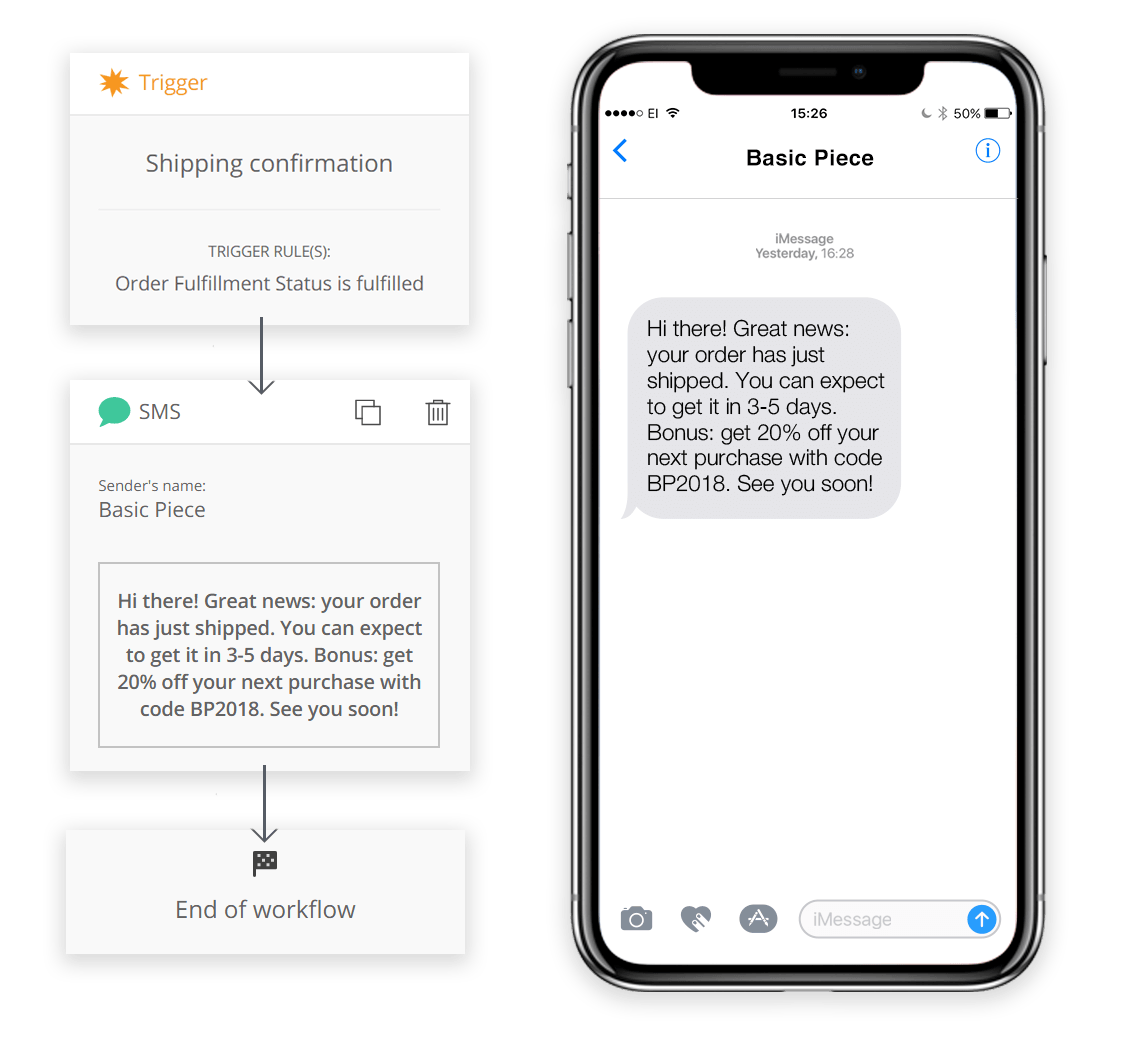
Shipping notifications are an easy one. Each message brings value—especially if you’re including links with delivery status updates. While these messages probably aren’t marketing related, it helps your customers to become more comfortable communicating with your brand via text.

Additionally, your SMS service should allow people to respond to any of your outbound text messages. This gives you the opportunity to provide support in a really unique way. Remember, great customer experiences equal raving fans. If you can leverage SMS to provide a new level of personal support, people will share those great experiences with others.

Feedback Collection

A less common way that ecommerce sites are using SMS marketing is for feedback collection. It’s amazing how many merchants who already are using text messaging look past this as a source for capturing such valuable data. Some text message marketing services offer survey features that allow you to easily conduct automated, multi-question feedback loops.

When surveying your customers via text, there are 2 key areas that you’ll want to focus on when setting up your post-purchase SMS surveys…

  • Getting feedback on the purchase experience as a whole. This includes everything from how easy it was to navigate your site, to your product availability, and ease of check out. Once a person has elected to receive texts from you, it’d be a good idea to set up an SMS survey to auto drip out 10 to 20 minutes after they’ve completed their purchase. This gives them some “breathing room” and doesn’t make them feel bombarded. Be sure to keep your survey brief, focused, and contextual. You, as the merchant, need to be getting solid, actionable feedback from each respondent to make this really worth it. Additionally, you may want to reward each person for taking your survey to boost participation.
  • Capturing product reviews. Anyone in ecommerce knows that product reviews are vital, especially if you‘re selling on Amazon. The number of quality product reviews from real buyers can have a direct impact on people’s purchase decisions. Why not capture that data via SMS? What you can do is provide a card in each order that is shipped with a clear call to action asking your customer to text “XYZ” to 12345 to provide a product review. You can place that card right on top so that it’s front and center when they open the box. Furthermore, you can incentivize them to take the survey by delivering a unique coupon code once completed and create a great excuse for them to come back again soon.

Getting Started

If you really zoom out and look at how versatile SMS marketing really is, you’ll begin to realize that the 7 ideas above are just the tip of the iceberg. At the end of the day, it’s up to you to find what works best for your brand and customer base. Whatever strategies you adopt, the core principles remain…stay creative and provide value.

Adopting a text messaging program is not hard nor a large investment. It’s certainly worth spending some time reviewing various SMS marketing services, though. There is a wide range of quality in different providers and some have key features that others don’t. The steps are simple:

  1. Determine the different ways that you want to use SMS to connect and engage your customers. Keep in mind that some may not be a home run for you. It may require a bit of testing before you have an efficient text marketing machine.
  2. Find an SMS marketing service that offers the features and functionality that you need or will want to adopt in the future. Also, keep in mind that compliance with cellular carriers is important. Choose a service that truly pays attention to protecting you and that will spend the one-on-one time with you to get this off the ground.
  3. Start simple. You don’t have to put every feature or strategy to work immediately and you may not see real success right off the bat. You should focus on growing your list and then start to add additional engagement points/strategies as you start to gain traction.
  4. Continue to test. There is always room for improvement and learning. Keep things fresh and continue trying new things. Even after years of experience, you can find new great ways of bringing out more return from your text marketing efforts.

For more information about SMS marketing you can go through this site: https://ecommercesegmentation.com/#utm_source=marketing%20tch&utm_medium=ecommerce%20segmentation

Best Tips For SMS Marketing Campaign In Shopify

In this section we will share some good practices when composing SMS marketing campaigns. It doesn’t matter if you are creating a campaign for Shopify Customers, Lists or Specific Numbers. There are a few important things to consider so we will focus on each of them individually.

Go to Text Marketing

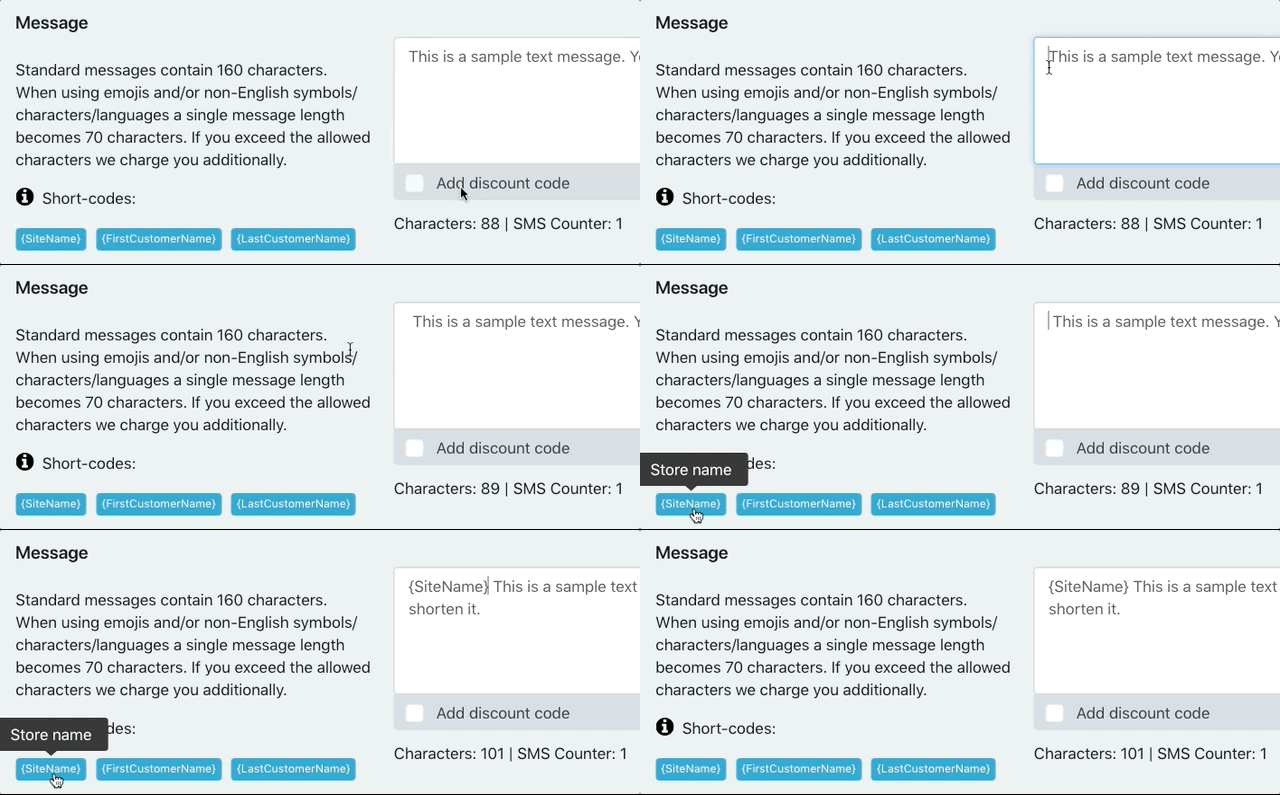
Scroll all the way down to Message so we can observe the field where you configure your SMS.

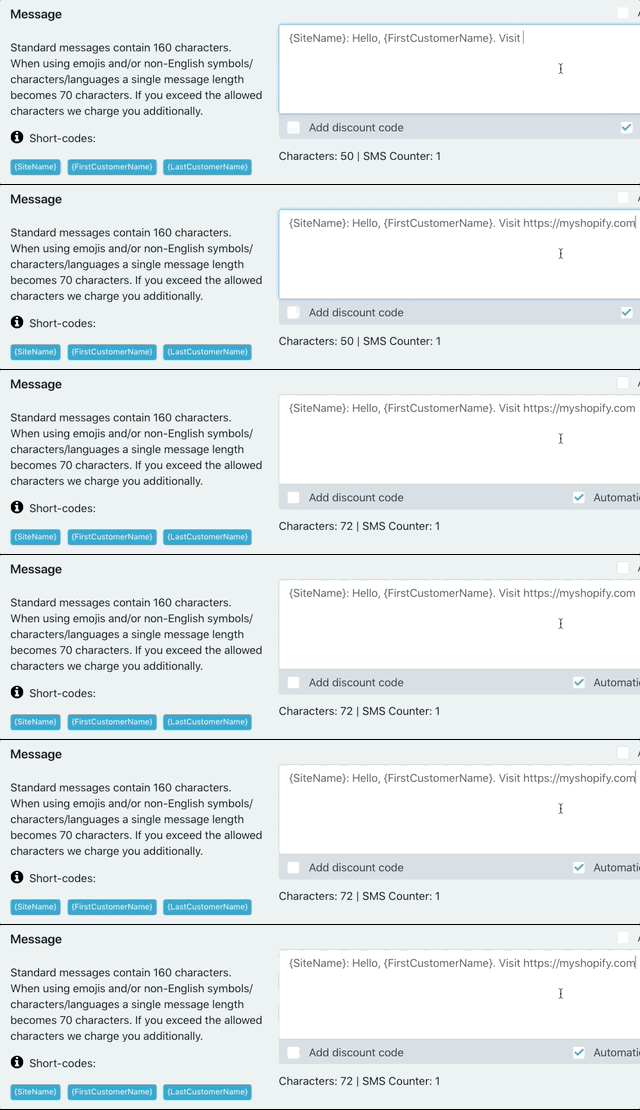
Tip 1: Use your brand name

Start the message with {SiteName} tag or include it somewhere in the message. This way, customers will immediately recognize whom the message is coming from.

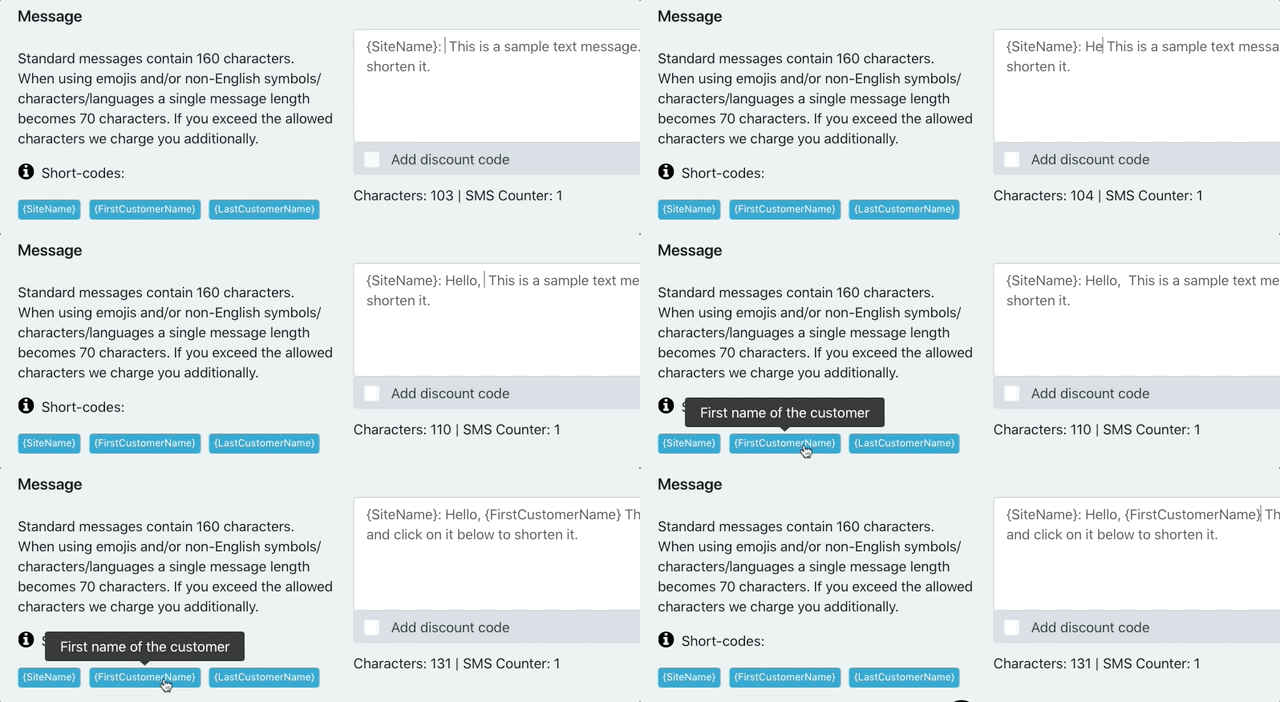
Tip 2: Make it personal

Use the {FirstCustomerName} tag when composing the text message. Don’t worry if you don’t have the customer’s First Name. SMSBump will leave a blank.

Tip 3: Be concise

Be straight to the main point of your offer. Customers should understand what your main message is instantly. For instance:

  • Flash Sale 5% OFF on everything
  • Easter Holiday Discount: Get 10% OFF
  • Black Friday up to 80% OFF
  • $5 OFF when you spend more than $25

Tip 4: Link your site properly

Do not forget to paste your site as https://myshopify.com. Some mobile operating systems do not recognize the format myshopify.com or http://www.myshopify.com so your link might not color up and thus customers won’t be able to click it. Always paste your links as https://myshopify.com.

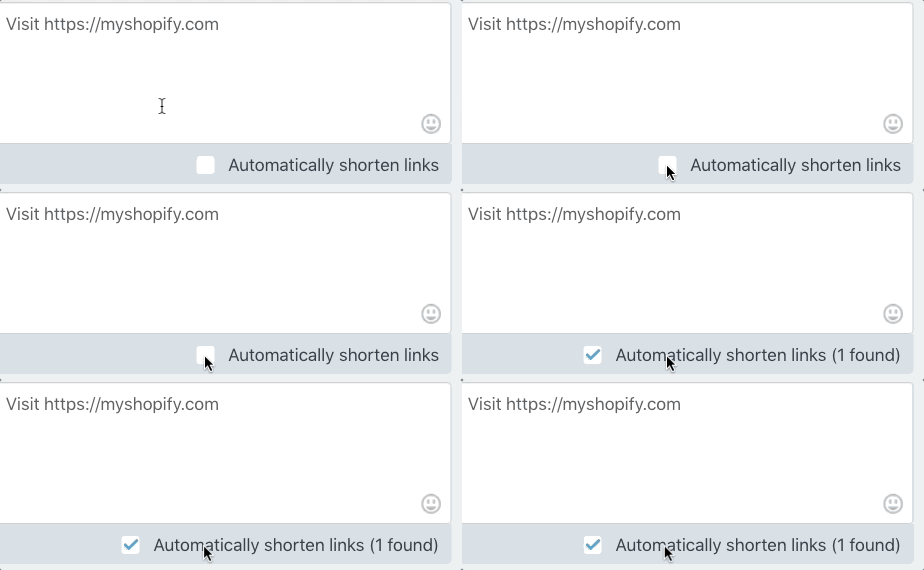
Tip 5: Shorten your links to save space and track results

Use the SMSBump Link shortener. The Automatically shorten links checkbox must be selected and you need to see at least 1 link found.

When you use the SMSBump link shortener, the app automatically shortens your link.

This means that it takes less characters and also allows SMSBump to track your campaign results for customers who purchased via their mobile devices.

The shortened link will look like this: https://smsb.co/sjwJWa

Tip 6: Pair the link with a discount

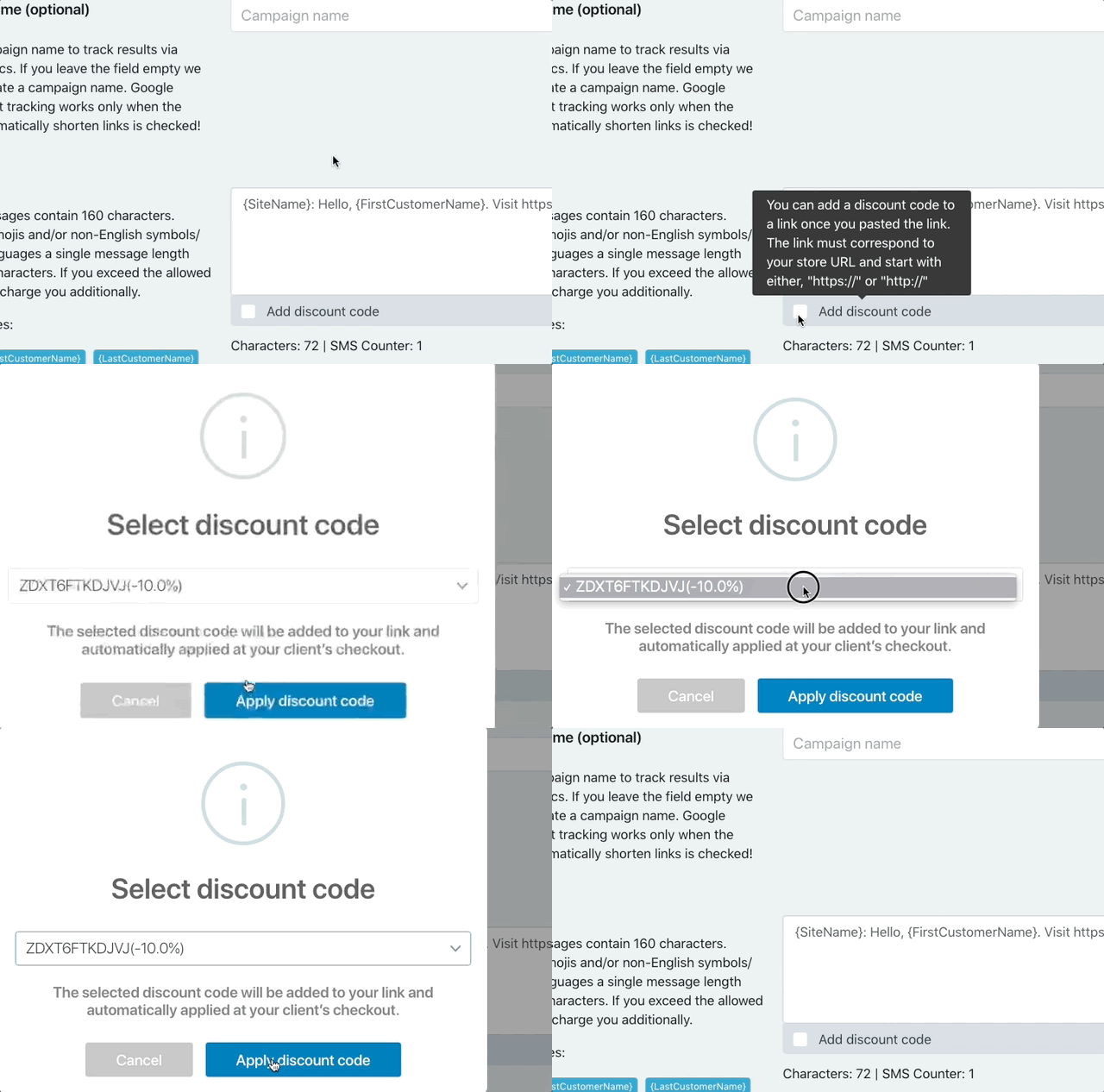
To ease up your customers, you can embed a discount to the link. This way they don’t have to enter the discount code (although some might prefer to enter it manually).

Click the Add discount code checkbox on the bottom left. This will trigger a pop up with all your available Shopify discount codes displayed.

Here is a video for more info on how the discount codes work:

Select the discount code you want to use from the dropdown and click Apply discount code.

Once the discount is applied it will be displayed in brackets.

The discount code gets automatically applied when the customer clicks your checkout link. No need for the customer to enter the code.

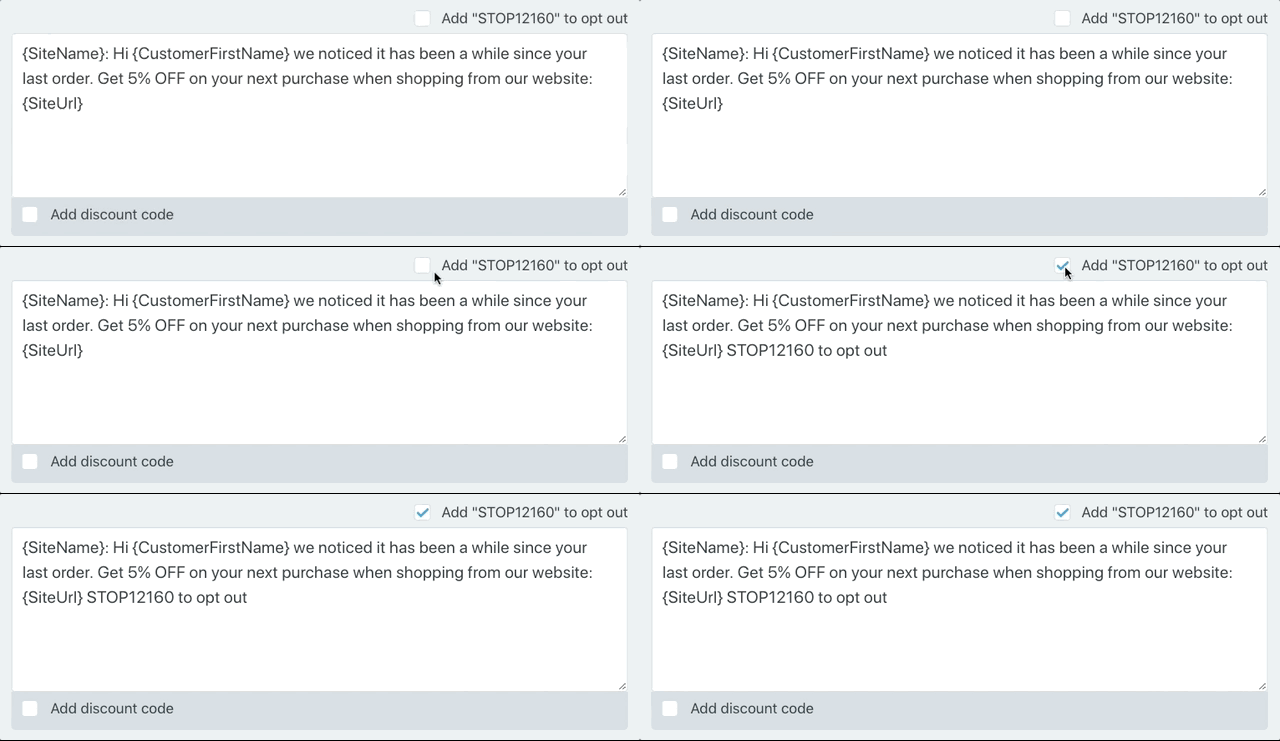
Always make sure to have the STOP#### checkbox selected in the Text Area.

Important: Please mind that the digits after STOP in your SMSBump account will be different from the ones in the screenshot and will NOT show “12160”.

Tip 7: Verify the campaign parameters

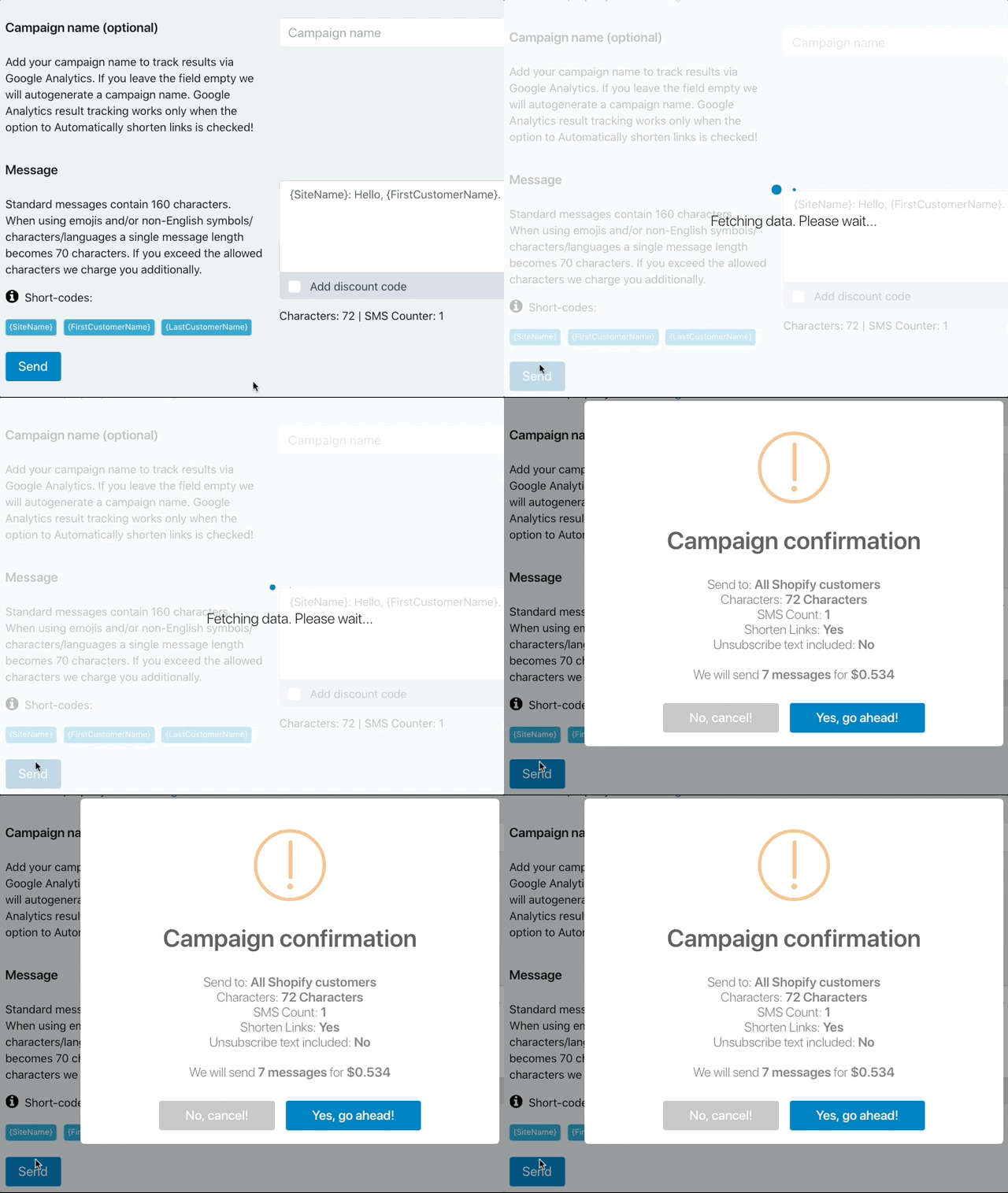
When you are ready go, click Send. You will see a screen with a campaign summary before sending the campaign out.

Pay attention to:

  • SMS Count: Should be 1 or you will be charged additionally
  • Shorten Links: Should be Yes (recommended)
  • Unsubscribe Text Included: Yes (recommended)

If all is well, click Yes, go ahead. If you have some tweaks to do, then click No, cancel.

Bonus: Emojis

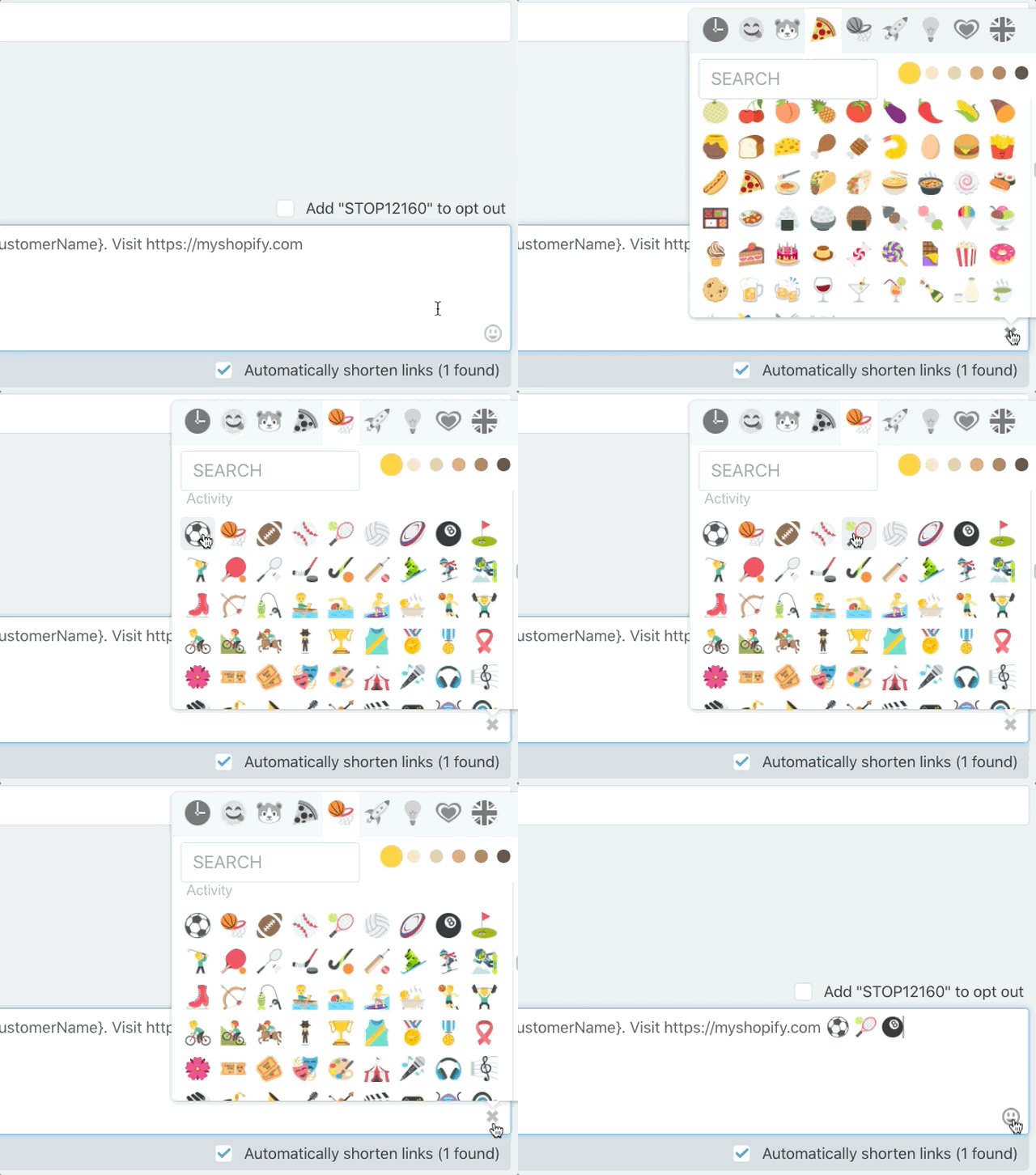
Emojis are extremely powerful and can be added to messages.

You can spice up campaigns and give them an edge by choosing between a ton of emojis. Once you select the emoji, just click on it and it will appear in your text message.

Important: When using emojis your text per message goes from 160 symbols to 70 symbols because of the special encoding emojis use!

Conclusion

So these are the simplest tips you can consider to follow a good marketing campaign for your SMS for eCommerce. Apply theses tips and you will definitely seen a change in your growth.

For more details about sms marketing you can go through this site: https://ecommercesegmentation.com/#utm_source=marketing%20tch&utm_medium=ecommerce%20segmentation

Omnichannel Marketing Automation Plan

Maximize the performance of your carefully constructed target and dynamic lists through high-impact omnichannel campaigns. Orchestrate unique user journeys with Resultants’ ideal mix of campaign types, creation tools, and channel lineup.

Steps in Omnichannel Marketing Automation Process

Campaign Selection

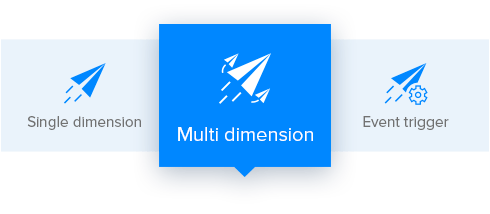
Start by choosing how best to connect with your audiences. Use single-dimension campaigns for routine user journeys along pre-designated channel sets. With multi-dimension campaigns, switch channels dynamically based on each user’s responses and propensities at various stages of the journey. With trigger campaigns, you can interact contextually with each user based on external transaction data, market data, or even the user’s lifecycle with your brand.

campaign selection

Powerful Campaign Orchestration

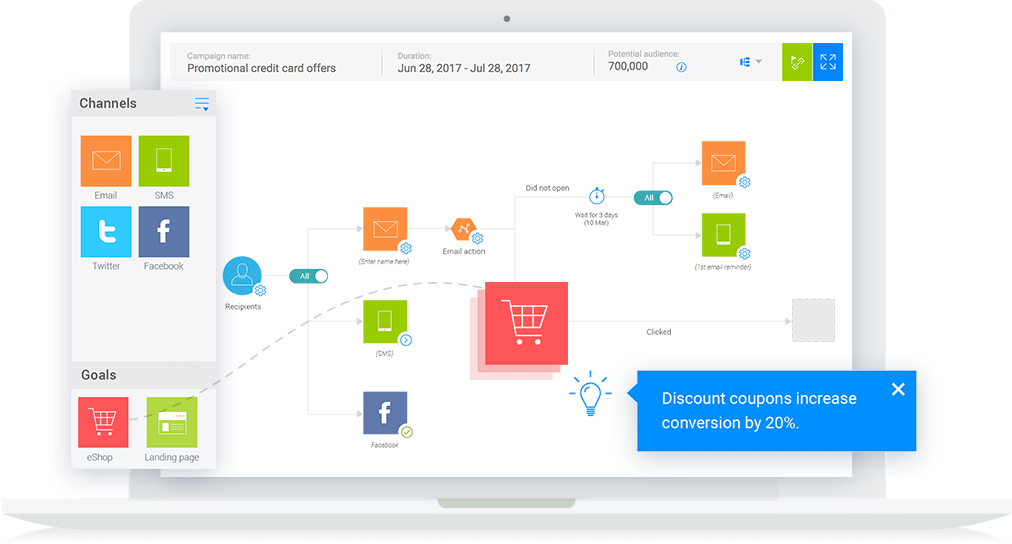
Expedite the next step of campaign setup and authoring with Resulticks’ easy drag-and-drop, state-of-the-art campaign canvas. You can build infinite user journey paths using just-in-time analytics and a library of campaign recipes for quick adoption.

Tap into the power of AI to streamline campaign building while ensuring impact with the campaign auto generation option. From target list creation to customer journey mapping, Resulticks automatically curates your entire campaign based on past campaigns, detailed benchmarking, deep audience insights, and machine learning—so you can finesse the details and prepare for impact.

powerful campaign orchestration

Conversion Mapping

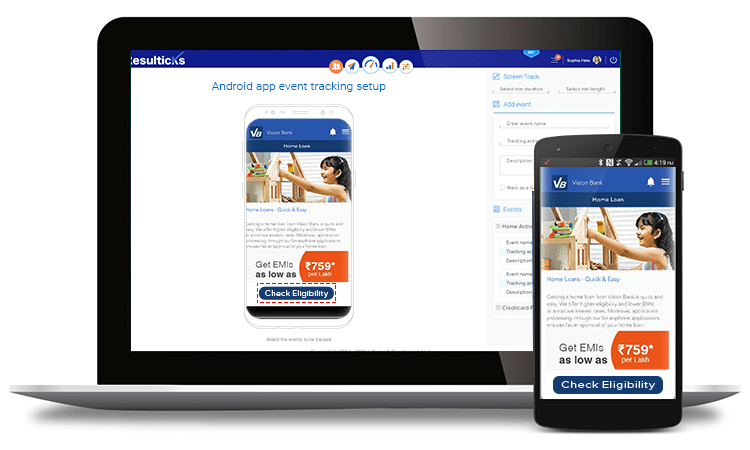
Resulticks’ unique custom event tracker feature has made it equally intuitive to set up detailed conversion mapping for webpages and mobile apps. To map out mobile conversions, simply open your brand app, shake your phone to synchronize your screen with the solution, and pinpoint the events, fields, and buttons that need to be tracked—without any extra IT intervention.

conversion mapping

Campaign Summary Analytics

Finally, optimize reach and enhance engagement across channels with real-time response processing, automated suppression and prioritization of rules with the help of omnichannel marketing automation. With the Resulticks Smart Link, you can track entire user journeys, conversions, and dropouts across the online/offline chasm.

Best SMS Marketing Software Tools for 2020

SMS text message marketing tools help you send bulk, personalized text messages to a list of contacts when and how often you want to send them. Create the messages yourself or use their tools to automatically and quickly personalize messages before sending.

If you’re considering adding a text message strategy to your overall digital marketing plan,here are top SMS marketing software to consider.

List of best SMS marketing software

Trumpia

Founded in 2006, Trumpia has established themselves as a leader in SMS marketing and automation. They help clients boost revenue, increase customer engagement, and improve employee satisfaction by offering the most advanced texting software in the market today. It can carry out automated campaigns, learn about your subscribers as they respond to your questions, and use that data to send precisely targeted messages.

Better yet, Trumpia is dedicated to using their vast experience working with clients in a variety of industries to offer expert consulting, helping users maximize their ROI. And to top it off, they have 365-day live support with a 9-minute response time, API integrations, and a variety of other messaging channels, like voice, social media, email, and MMS.

Message Launch

Message Launch makes marketing easy by offering a dynamic SMS feature set like keywords, mass texting, and reminders. But if you’re already using software like Mailchimp or Constant Contact to send emails, it’s a pain to switch back and forth just to message the same set of customers. Message Launch fixes this by adding a powerful email sender to their SMS platform, giving you the best of both worlds. And if that wasn’t enough, they also have one of the best list segmentation tools that lets you target your marketing to just the customer you want. All this is included in plans that start at just $10/month.

EngageBay

EngageBay was founded in 2018 as a complete, integrated and affordable marketing, sales and support automation CRM. EngageBay offers powerful SMS marketing features that are a part of its marketing automation platform which may be subscribed to, as a standalone feature. Their SMS Text marketing option allows for personalized messages for better engagement, adding SMS functionality in your marketing automation workflows at any point, segmenting and targeting your subscriber lists, behaviour based automation, visual workflow builder, and precise tracking and optimizing of your SMS campaigns.

SlickText

SlickText has an easy-to-use interface and supports all the major text message marketing needs such as polling, voting, contests, and drip campaigns. Clients also benefit from keyword management, personalization, and more. The number of contacts and customer groups you can create is unlimited. Inbound messages are free and outbound messages have a cap that varies depending on plan price. The service is free for the first 50 texts in a month. Then the service starts at $29/month.

JookSMSSend

mass sms text alerts, reminders, promos, notifications & much more with a leader in SMS Marketing, Jooksms.com. A campaign can be setup in just minutes. Try the platform for free with 250 Free Credits. No Contract or Credit Card required to start. As one of the best SMS marketing platforms, Jook offers a free demo with one of their client success representatives. 30 day free trial and monthly costs start at $25/month. Go test and see why several hundred companies are using JookSMS to grow their business with SMS Text messaging.

Omnisend

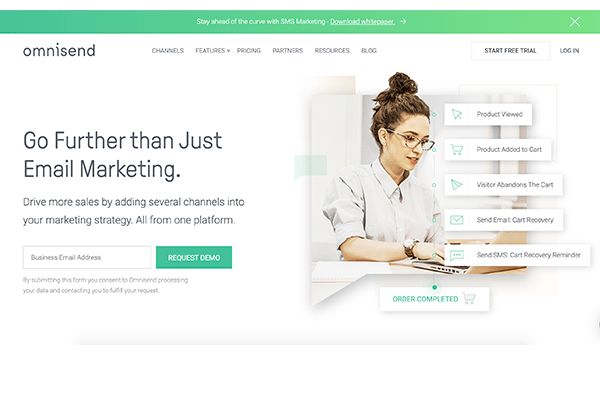
Omnisend is an omnichannel marketing automation platform built with ecommerce in mind. SMS in Omnisend can be combined with email, push notifications, and several more channels to provide your customers with a personalized omnichannel experience. Marketers can make use of Omnisend’s integrated list building tools and collect customer phone numbers alongside email. Omnisend supports all country codes for SMS to reach international customers and drive conversions all over the world. Also, there are many useful SMS features like pre-built SMS automation workflows (like cart abandonment, birthday, order & shipping confirmation sequences), SMS campaigns, integrated opt-out links, built-in link shortener, SMS channel reports and more.

Wrap up

so these are the best SMS marketing tools available choose among them according to your preference and it will definately make a positive change in your SMS marketing strategy.

Click the link here for more information on why SMS marketing is a growing marketing powerhouse today.

SMS MArketing Guidelines For 2020

What is SMS Marketing?

SMS marketing stands for “short message service.” Also known as text message marketing, brands use SMS marketing to connect with their customers.

SMS differs from email in that the messages are very short, with a limit of 160 characters and more immediate delivery. The message appears on your customer’s mobile phone just seconds after it’s sent, often giving your customer a push notification that it’s arrived.

SMS marketing is great for three main things:

  • increasing brand awareness,
  • boosting engagement from customers,
  • generating more sales.

As an atypical and underused channel, SMS marketing offers ecommerce marketers a unique opportunity to build a relationship with their customers.

Why Use SMS Marketing

SMS marketing may work well during high-volume events, like the holiday season, but what makes it a good year-round channel?

The Top 3 Benefits of SMS Marketing

There are a few aspects of SMS marketing that make it stand out as a unique channel and give brands who use it correctly a competitive edge.

#1. SMS is fast

SMS campaigns are received instantly, and most importantly, they’re read almost immediately as well.

It’s no surprise that 90% of SMS are read in the first 3 minutes. This makes SMS marketing campaigns great for hyper time-sensitive offers. We’ll go over that more with SMS strategies.

#2. SMS earns higher open rates than email

Where customers have to consult their inbox for email messages, an SMS gives you an instant push notification on your phone. If customers don’t have push set up for their inboxes, your email campaign will have to wait.

Also, the notification stays in place until the message is read. This means that a customer is more likely to at least open your SMS.

#3. SMS gets a higher engagement rate

SMS marketing campaigns are eye-catchers: 70% of customers say that SMS is an attention-grabber.

Not only is the SMS typically read even before it’s opened with the notification that appears on the screen. What’s more, SMS aren’t just opened more frequently, they also earn more clicks on average over email.

What Makes SMS a Powerful Marketing Medium

The benefits of using SMS marketing are tangible- and this doesn’t mean you should forego email marketing for its character-limited cousin. SMS shouldn’t be overused, and combined in your email marketing automation workflow, SMS can pack an extra punch for time-sensitive offers.

Why SMS marketing works? The combination of the immediacy, mobile push, and infrequent use means it gets your customers attention exactly when you want it.

Email is so widely used that customers expect it now. However, a well-timed SMS is effective because it’s not so usual. Add an incentive in the mix, and you’ve got a message that’s hard to ignore.

But how do you go about using SMS marketing effectively?

5 SMS Best Practices

While SMS isn’t a new channel, it’s a channel marketers are only now beginning to use and refine. While there’s a bit more learning curve than the best practices already carved out for email marketing, you don’t have a large margin for error.

Given the proximity of SMS for customers, it’s important to get it right the first time around. Lucky for you, we’ve got some best practices to keep your SMS marketing campaigns relevant.

#1. Get Permission (and keep it)

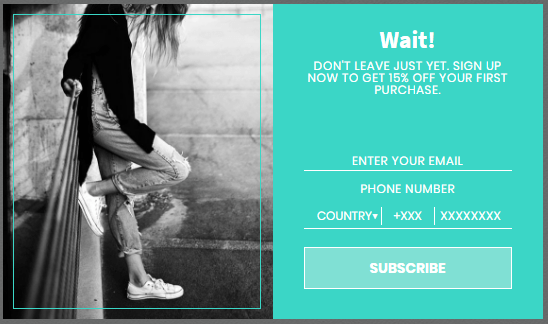
Just like email marketing, it’s important to get explicit permission from your customer for SMS marketing. This is simple enough, as you can add the option of including a phone number with your newsletter subscription field.

The default Omnisend exit-intent popup with a few changes

The real challenge, however, will be keeping the permission you’ve tentatively earned. Start off with full disclosure: tell your customer what kind of text messages they should expect to receive from you.

Second, don’t abuse the permission granted to you! SMS is intimate, immediate, and overt in getting your customer’s attention. Use your SMS marketing campaigns for time-sensitive and critical information. Overusing this channel is the fastest way to kill it for your customers.

On that note, include a way for customers to opt out with every message. Just like email, you need to make sure you give customers an unsubscribe link, or a number they can text STOP to.

Sending messages to people who don’t want them does nothing for you or your brand.

#2. Use an SMS Marketing Tool

SMS marketing might get you excited, but before you whip out your phone and start sending manual messages to your customers, know that you should really be using an SMS marketing software for this.

A great SMS marketing tool can help you really nail your strategy in several ways:

  • You’ll be able to automate your SMS marketing messages, and send several at once.
  • Certain SMS marketing tools will allow you to add SMS directly to your email automation workflows, saving you time.
  • SMS campaigns can be triggered the same way emails are, with the same level of segmentation that allows you to target your campaigns.
  • If you don’t have SMS permission, you can substitute email or another channel so your customer still gets the message you want to send.

An SMS marketing tool will also afford you important metrics and reporting so you can see exactly how impactful your campaigns are. With that data, you can adjust your campaigns try different tactics to get the highest ROI possible.

#3. Add Value to Your Customer

Before you send your SMS campaign, ask yourself one simple question:

How will this SMS add value to my customer’s life?

If you can’t answer that question, put the phone down. SMS marketing should only be used when you’ve got a good reason.

This is a channel that can burn out very quickly if you don’t know what you’re doing or if you send too many messages too quickly. That’s the quickest way to turn off potential customers.

#4. Keep it Short, Sweet, and to the Point

Not only should you keep your SMS campaigns few and far between, but limits on characters and your customers’ attention spans means you need to get to the point, and quickly.

If you have an offer, lead with that. If your message has important information about their order, include it in the message. Always include a link so they can get more detailed information about the offer/update you’ve sent.

Another great practice is to follow up with an email. If you’ve sent something timely and important, make sure you’re sending more complete information via email in case the customer needs it. Emails is less aggressive than SMS, so there’s little risk in sending a follow up.

#5. Personalize Your SMS Marketing Campaigns

While the ultimate goal is to make sure your SMS campaigns are relevant, it’s even better when they’re personalized message.

I mentioned earlier that a great SMS marketing tool will allow you to use segmentation for your best SMS campaigns. If you can target them the way you do your emails, you’ll already be one step ahead of your competition.

SMS is a more intimate channel, so maintain that closeness with your customer by using their first name, or personalizing your messages. Send offers that are relevant based on location, or previous purchases.

This helps build and maintain the relationship you have with your customers.

This also means thinking about when your customer will receive their SMS. Remember, many people have their text message notifications enabled on their phones. This means that sending a text message at 3 am is going to result in a very grumpy customer

5 SMS Marketing Ideas

You can have all the best practices in the world, but without ideas you’re still at zero. Luckily, there are at least five perfect situations where a well-timed SMS can make all the difference.

#1. Welcome Offers

What better way to welcome your customers in than a well-timed SMS message. Everyone expects a welcome email, but adding an immediate SMS in the mix will be a surprise to your customers.

If you offered an incentive for signing up, send the discount code or link via SMS, then follow that SMS up with an email in case the SMS wasn’t enough to get the customer to purchase.

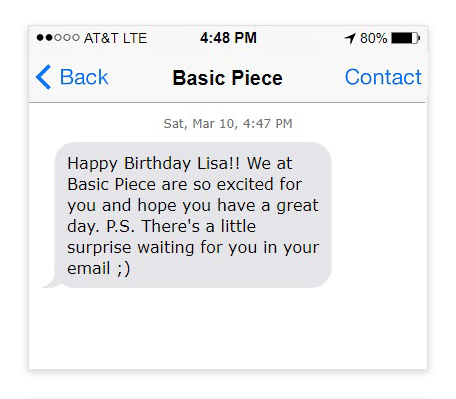
#2. Birthday Discounts

SMS demands a special occasion, and what’s a better special occasion than your customer’s birthday?

Use SMS marketing to make your subscribers' special day even more special

Show your customer you care with an offer that lasts for a few days around their birthday.

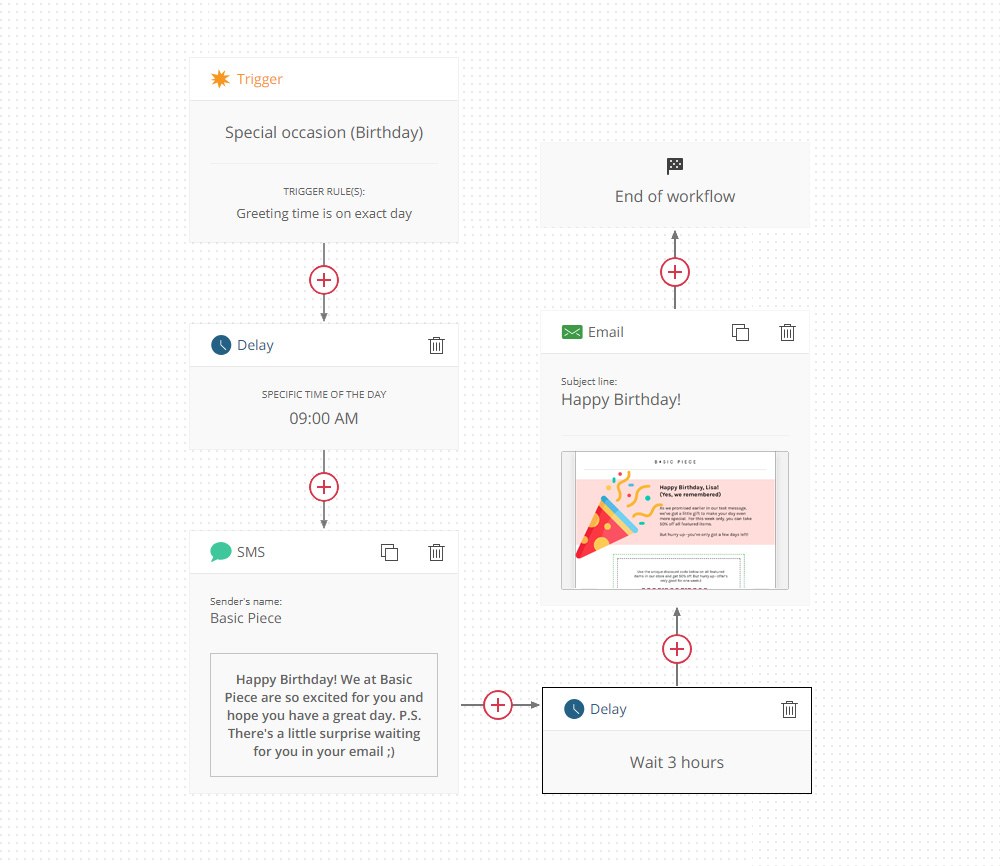
This is the birthday automation workflow consisting of SMS and email

You can either put the offer directly in your SMS message, or you can send it as a teaser to check their email for a special birthday gift. Whatever you decide to do, be sure to follow up with an email.

#3. Special time-sensitive offers

Maybe you have an extra special promotion going on, and you want to make sure your customer has every opportunity to participate?

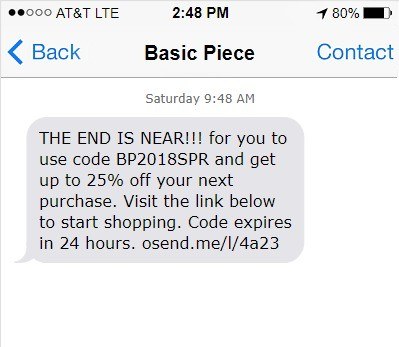
Use the new SMS marketing feature to send time-sensitive messages to your subscribers


For your very best sales and promotions, you can add a bit of urgency in your text messages like in the example above. Try out a few different options to see what works best with your customers. As long as you’re not sending SMS campaigns every day, you should be fine.

#4. Cart abandonment

Cart abandonment is the bane of any ecommerce seller. With almost 7 of every 10 carts abandoned for any number of reasons, it’s easy to see why.

Normally, a cart abandonment email is hailed as the best response to this phenomenon. But its made even better when you combine it with an SMS.

Use Omnisend's SMS marketing automation to send timely abandoned cart messages

Understand your channels’ strengths and weaknesses: SMS is well adapted for immediacy, and email for information. Send an SMS campaign to capture your customer’s attention, and add the photos of the abandoned products in the email follow up to remind them of what they’re missing.

This combination can be super effective, but limit your SMS to one per workflow for abandoned cart. It’s great for that initial message, but you don’t want to overdo it.

#5. Order confirmation and shipping updates

Where SMS can really shine is in order confirmation and shipping updates. Giving your customer the choice of how they get their updates, which empowers them.

Increase your engagement, conversions and sales with Omnisend's new SMS marketing feature

Your customer can enjoy updates to their shipping directly on their mobile phones without worrying about opening an email. It’s also a great idea to place a link in the SMS so they can check out more details about the tracking.

Key Takeaways

SMS marketing can add immense value to your ecommerce strategy when done correctly.

Key Takeaways

  • Get permission to use SMS with your customers, and keep it by using SMS only when absolutely necessary.
  • Use an SMS marketing tool to automate your campaigns and keep your messages relevant.
  • Think about the value you add to your customer with your SMS campaigns, and get to the point quickly.
  • Personalize your SMS marketing campaigns to build and maintain a relationship with your customers.
  • Use one SMS per workflow for things like Welcome, Birthday, and cart abandonment workflows.
  • Use SMS for time sensitive offers and the most special deals you’re proposing.
  • Offer your customers the power of choosing the channel they get shipping updates on, and offer SMS to keep them updated even quicker.
  • When you use SMS in a workflow, follow up with an email to give your customers more details that you can’t include in an SMS.

As long as you follow best practices, and use SMS when it’s going to make the biggest impact, you can drastically improve your ROI. With these takeaways, you’ll be able to make SMS marketing work for you and your ecommerce store.

Push Notifications Types

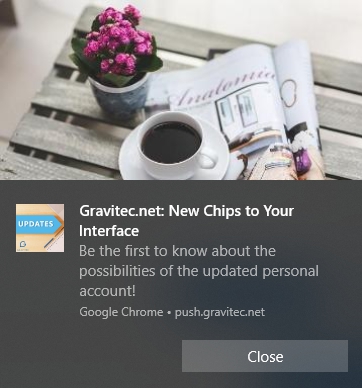
Push notifications have proven to be a surefire way to get people to return to websites or apps. They are totally embedded in our everyday life. The most frequent thing we react to is a sound or a light from our smartphones. A new message has come! A push notification tells us to postpone all affairs and read the new message.

You would most likely agree that’s hard to ignore. Therefore, push notifications are very interesting tools for marketers. Let us see how many types of push notifications exist, and how you can reach your consumer through them.

How Many Kinds Of Push Notifications Are There?

  • The most common type of push notification is an alert from mobile apps.
  • The technology has led to the introduction of them for websites. This is how web push or browser push notifications came about.
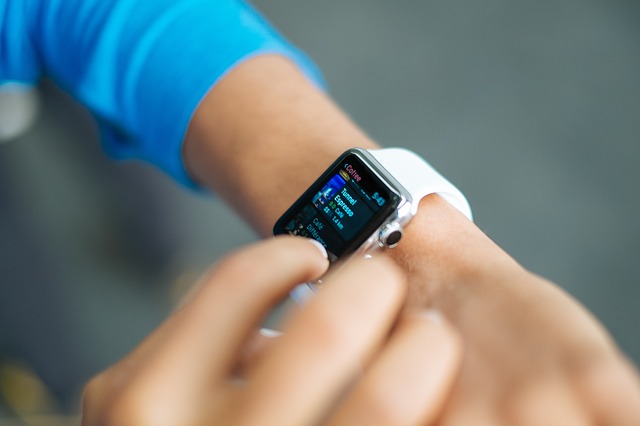
  • Push notifications pop up on wearable devices as well. This type of communication is also worth paying attention to if you want to engage such an audience.

Let’s proceed to a detailed study of each of these types.

App Push Notifications (Mobile)

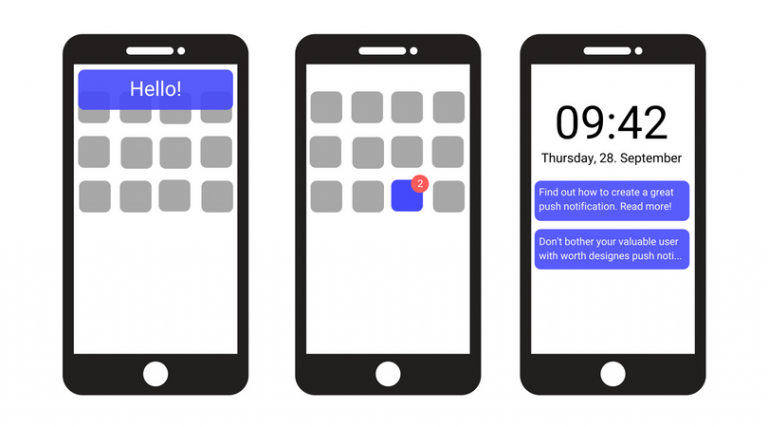
The main goal of app push notifications is to deliver information to the user so that he returns to the application. These alerts appear at the top of the smartphone screen even if the app is closed. Their brief message gives a subscriber the following options: click on the message, or swipe it off the screen and view it later in the app.

Messengers and Email clients use this channel to notify subscribers about a new message. However, push notifications are excellent for commercial purposes too. When someone installs your app on their smartphone, you then have a simple way to directly interact with them.

Mobile notifications come in three types:

  • Transactional messages are about an action you took (for example, the payment transaction), terms of the agreement (the time and place of goods delivery after purchase), or a change in plans (the delayed flight).
  • System notifications inform you about new app features, or offers (new product release, etc.).
  • User notifications are typical for instant messengers and email. They alert you about new messages sent to your account.

The technology is supported by iOS and Android, so all smartphone users are familiar with app push notifications.

When an app is installed, the smartphone user will begin to receive notifications from the app.  The user can turn on/off notifications for each app through their smartphone app settings.

Web Push Notifications

Web push notifications have a great advantage over app push. That is, they can be sent to both mobile and desktop devices. That is how websites keep in touch with their loyal subscribers.

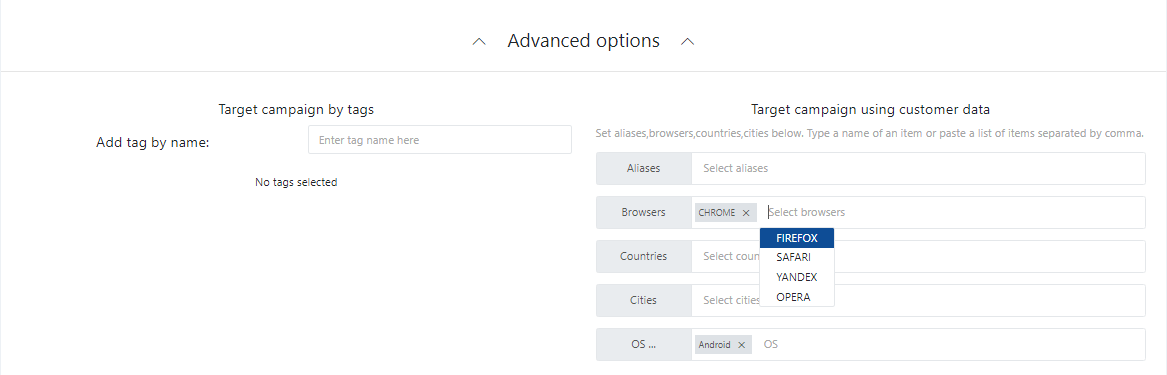
The technology works through all popular browsers (Chrome, Opera, Firefox, Yandex, and Safari), and operating systems (Windows, macOS, Android).

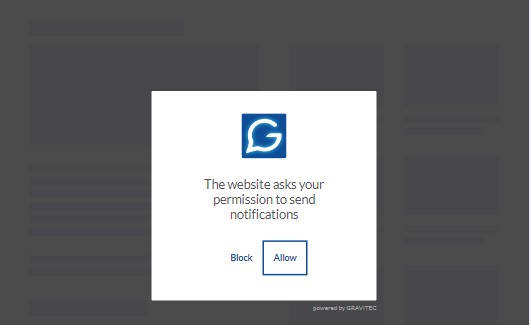
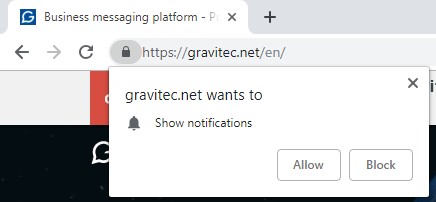
Therefore, a business can reach a broad audience with push notifications.  After installing a push service, your website begins collecting subscribers.  Subscription occurs with only two clicks.

The simplest way to incorporate push technology into your website is by using a push provider service. The Gravitec.net service can be installed in as little as 10 minutes.

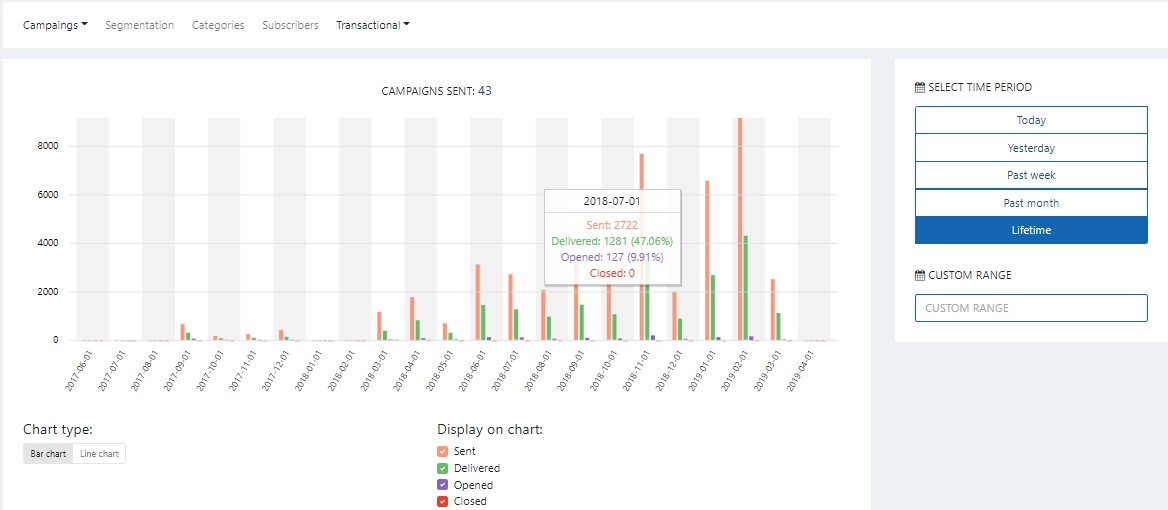
As in mobile apps notifications, web push marketing strategy requires attention to customer needs. Campaign statistics allows determining subscribers’ preferences, convenient delivery time, relevant content, notification design, etc.

Proper campaign settings also include subscriber segmentation by interests, locations, etc.

When a campaign is sent, every subscriber on the list receives your notification when their browser is opened on desktop devices.  Note that for mobile devices, all that is necessary is for the screen to be unlocked.

Still, the user controls his opt-in/out through the browser settings.

Push Notifications on Wearables

Wearable devices, such as Smart Watches, can also receive push notifications. These devices are synchronized with a person’s smartphone. Therefore, they display notifications from their mobile apps.

Both devices allow for adjusting settings for notifications. Notifications on a wearable device look different than on a smartphone.  Its smaller screen means that notifications must have fewer characters.

Inbox Push Notifications

Some apps and websites can use an Inbox to store notifications and show them to subscribers.

Inbox push notifications are stored in an App Inbox for mobile notifications, and in a Web Push Inbox for web push notifications.

If an app uses this feature, a smartphone user can see all notifications when they click on the Inbox icon in this app. So, even if app notifications are disabled on a smartphone, the user can check the Inbox for new alerts. Notifications will be stored in the Inbox until the user opens the application.

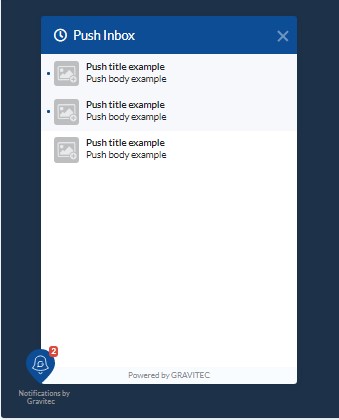
The Inbox for the Gravitec.net service appears as a Bell on the screen when a subscriber visits the Gravitec.net customer’s website. There, all notifications that were sent to the subscriber are stored. 

The subscriber can see their notifications when they click on it.

TIP

Windows 10 and macOS also stores web push notifications in their Notification Centers. Subscribers can go to the Notification Center and open a web push as well as other service alerts from the OS.

Summary

Push notifications help marketers interact with potential customers directly through apps or websites. App notifications reach smartphone users, so long as this option is enabled. Web push notifications can be sent to both mobile and desktop devices via a browser. Push notifications are also available for wearables so that users can see alerts regardless of where they are. And so, with all these types of notifications, we are more able to reach the most number of subscribers. 

Customer Retention Benefits in E-commerce

You want to bring new customers to your eCommerce store. That’s obvious. And quite a bit of your efforts probably go toward that goal, whether you’re focusing on advertising, adding lead magnets to grow your email list, or even standing out on the street handing out free samples.

And you should keep up the flow of new customers; growth is vital to building a successful business. But, many store owners make the mistake of concentrating too much time and energy on acquisition while neglecting retention efforts for existing customers. Sure, exposing your brand to a new audience is great, but creating a loyal customer base will bring in higher returns and a more consistent network of brand followers.

Plus, if you do it right, those loyal customers will handle some of the work of bringing in new customers for you.

Here are some of the most important reasons that customer retention can help you build a stronger, more profitable brand—and some strategies and techniques to help you turn one-time customers into lifelong brand advocates.

Why customer retention is important

1. It’s easier to sell to returning customers

According to Marketing Metrics, the chance of making a sale with a new consumer is between five and 20 percent, while the odds of selling to a customer who has already made a purchase from you is between 60 to 70 percent.

Via: Groove.

And researchers at the Harvard Business Review found that companies who boosted retention rates by a mere five percent experienced profit growth between 25 to 95 percent.  

In other words: It’s noticeably easier to convince existing customers to buy your products.

RJMetrics found that 32 percent of people purchase from a company for a second time within a year, but once a customer does decide to return for another purchase, the chance of attracting them back in the future increases exponentially.

2. You’ll boost customer lifetime value

Customer lifetime value (LTV) is a metric for how much a single customer is worth to your business for their entire lifetime. (Meaning their lifetime as a customer with your business not, say, from when they’re born until you’re chasing them down on their deathbed at age 93 to get them to buy just one more WordPress template.)

For example, if a single customer continues to purchase from your shop for the next five years, the LTV is the amount of money you can expect them to spend in that time. The longer a customer stays with you, the more money you’ll make.

An increase in customer LTV is directly linked with an increase in revenue—the more money a customer spends, the more money you make. Simple, right? But, relying on new customers who only make a single purchase and never return brings down your overall customer LTV. Not only does LTV affect revenue, but it also demonstrates if customers are responding well to your business. A higher LTV signifies that people enjoy your products and want to continue making purchases from you.

You can calculate customer LTV regularly to assess the overall state of your business.

3. Returning customers cost less and spend more

At some point (even if it was during that one episode of The Office where Michael Scott asks Ryan to quiz him about what he’s been learning at business school), you’ve probably heard that it’s more expensive to bring on new customers than keep your current ones—and it’s true.

Via: Netflix.

On average, it costs five times more to acquire a new customer (not 10, RYAN) than to retain an existing one. Once you’ve spent the money to attract a customer, you want to keep them around as long as possible to reduce acquisition costs and increase revenue.

Once you’ve convinced a customer to return for a second purchase, research suggests that this customer will spend more money on your products in the future, in large part thanks to the credibility you’ve established with them. Inc. magazine reports that returning customers spend, on average, 67 percent more than first timers.

Think about your favorite local coffee shop. Not Starbucks. The little one that does latte art, has a bulletin board, and sometimes people bring in dogs. You’ve been there before and you like their coffee and their atmosphere, so you keep going back—and you’re more likely to try a new drink or special because you already trust the quality of their products. This works the same way in eCommerce. Your loyal customers believe in your brand and are therefore willing to try new products or make larger, more expensive purchases.

4. Returning customers help stabilize your revenue

Loyal customers give a business a sense of security because if you have a large return customer base, you’ll have a more accurate idea of how much money you’ll bring in by the end of the month. When you rely on constantly attracting new customers, your profits may fluctuate greatly and could suffer if you are not able to attract as many customers as you need in one given time period. With existing customers, you have a more stable source of income and lower acquisition costs.

5. Loyal customers can become brand advocates who bring in new customers

The most successful companies have all used their platforms to create a brand identity that consumers trust. This is the reason many people choose to purchase brand name items over generic substitutes. They trust the company’s name. When you build up your customer base and focus on retaining satisfied customers, you are establishing credibility with your target market. Once your customers trust your company and enjoy the quality of your products, they will turn to you in the future—and potentially become advocates.

A report from Motista found that consumers who formed an emotional connection with a brand have a 305 percent higher LTV. These loyal customers also tend to buy from a company for a longer period of time (on average, 5.1 years over 3.4 years) and advocate the business at a rate of 71 percent versus 45 percent.

Yes, if your returning customers are continually satisfied, they will likely let others know about their positive experience, exposing your brand to new potential customers. With this kind of word-of-mouth marketing, you’re both growing your customer base and fostering connections with existing customers. In fact, word-of-mouth marketing is one of the most reliable types of advertising as people are more confident in recommendations from friends and family over traditional marketing strategies. Ninety-two percent of people across the globe named this as their most trusted form of advertising.

So these are the befits of customer retention in ecommerce hope you got a clear picture. There are various good customer retention strategies which you can follow to get the best results.

Marketing Automation Tips

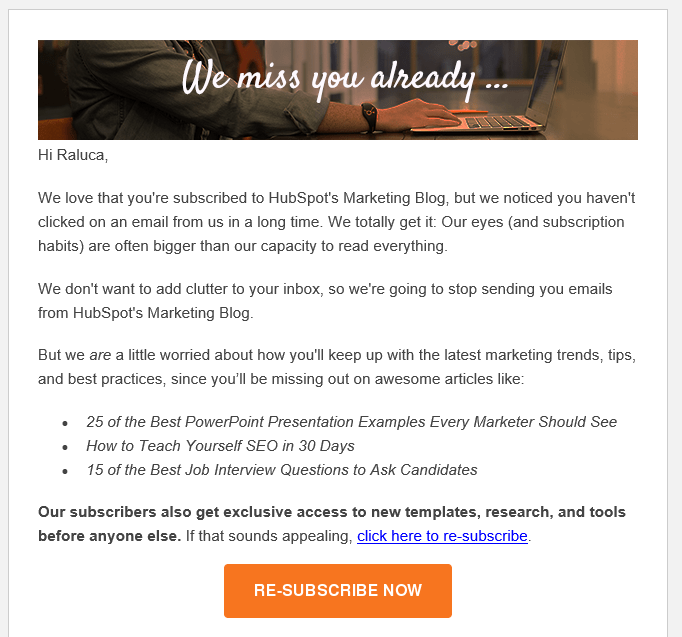
Marketing automation allows you to nurture customers according to their needs by speaking with them and not to them. With marketing automation, messages can be created based on an individual’s recent actions. It has far greater ROI than you could ever get from simple email marketing and has copious opportunities for increased conversion. 

So here are 5 ways of Marketing Automation

1 Send a welcome email 

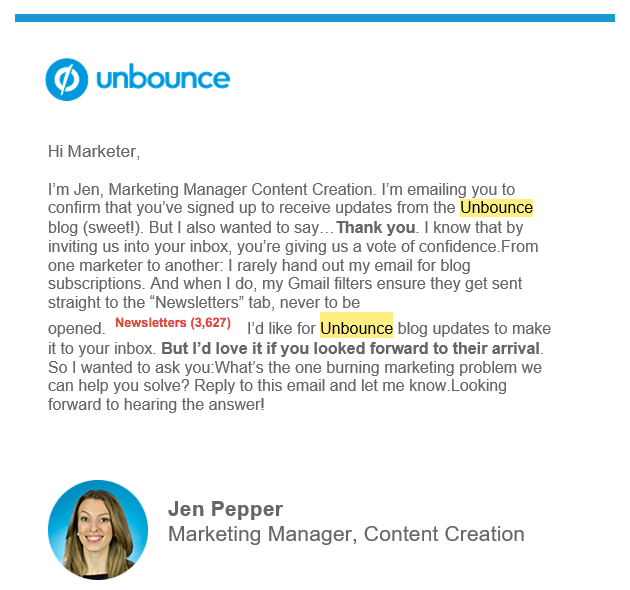
KissMetrics found that welcome emails increase sales 3x more than any other email you could send. In fact, welcome emails have one of the highest ROIs of all automated emails. To maximize your results, personalize your welcome emails.
It could include a coupon related to their website visits, that encourages customers to make their first purchase, materials like e-books to express your gratitude for choosing to do business with you, or other giveaways to sweeten the deal. 

2 Salvage abandoned carts 

People have all different sorts of reasons for abandoning their carts (hint: it’s not always intentional!). They may abandon their carts because they decided to go with another online competitor (so sad, but that’s the reality of commerce!), but what if it was just because they got distracted or ran out of time before an appointment they had scheduled and then forgot to come back? Those people just need a little nudge!

Another reason for cart abandonment is that they may have had some uncertainties around the product. Whatever the reason—no matter how legitimate or not it is—the rate of cart abandonment is 60-80%!

Try sending an automated email educating them on why that product would be beneficial for them and draw them back to complete the purchase process. Marketing automation is a great way to remind people of what they’ve unintentionally left behind. It sure worked for Smileycookie.com who was able to salvage 30% of their abandoned carts because of the marketing automation they had in place. 
3 Sell more 

There’s nothing like making even more of a good thing. You already know they are interested in your products because of a previous purchase they made. Now you can prompt them with complementary products that will improve their experience, an upgraded version of the item they have, or a product that has additional features. 

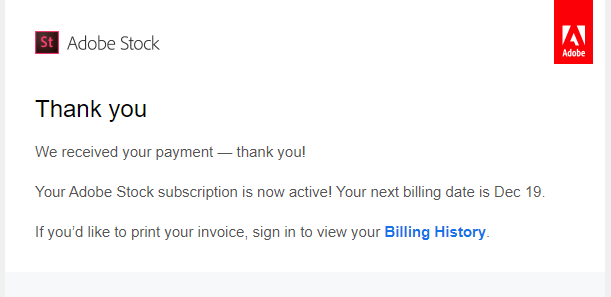
4 Send order confirmation emails 

Order confirmation emails have a high open-rate—70%—and such a high click-through rate— 17%—because people want the peace of mind that their order has indeed gone through. This is a huge opportunity to further develop your relationship with your client. It would be such a shame to miss out!

Because this type of email, like any interaction you have with your clients, is an opportunity for them to get to know you better. So go ahead and give your emails some personality. Just because your customer already made a purchase doesn’t mean the interaction needs to stop there.

Now’s a great time to test out various calls to action. Follow us on social media! Upgrade your account now! Check out our latest products!

5 Segment your high-quality leads 

While this can be costly, marketing automation gives you the opportunity to segment your leads which can generate far greater returns than a non-segmented list of contacts. In fact, over 70% of customers say they don’t like generic messages because they are so frequently irrelevant to them; as such, they will only engage with personalized offers. So why not give them what they want—personalized emails—to increase sales 10% or more and marketing budget ROI up to 400% (5-8x)?

This is the time and place to spend money on high-quality content knowing that people appreciate it and it will lead somewhere. You may want to consider segmenting your audience by gender, age, active leads, paying customers, location, or other factors specific to your company. The good thing is that, with marketing automation, you don’t have to do this manually. Just select the desired criteria and you’re good to go.

6 Provide educational content 

Providing free educational content shows that you are going the extra mile and that you care. That value can help people warm up to you and even like you when they aren’t quite ready to commit. You may want to direct your customers to your help section, to an upcoming webinar you are hosting, to an eBook, or to some blog posts.

What you choose to direct them to depends on their stage in the customer lifecycle. Ensure that you are sending them valuable information based on their preferences and current stage, and not just cluttering their inbox. 

The first step you may consider in tailoring an effective educational content is to start with a simple survey on your install base, asking what problems they face when using your product(s).

7 Re-engage customers who have gone AWOL 

You probably have thick skin and understand the reality that not all customers are forever. Someone may have inquired about your product never to be heard from again. Another may have been interested enough to subscribe to your email list, but then did not take any other action. And another may have purchased from you, but never returned.

Don’t settle for that if you can use marketing automation to re-engage these folks. Re-engage them by sending a customer survey, offering a promotion, or prompting them with alternate products, to guide them towards different options. 

8 Improve customer service 

Great customer service is all about providing just the right amount of handholding at just the right moments. With a manual process, you risk sending an email at inappropriate times and, as a consequence, losing them somewhere in the middle of the buyer’s journey or onboarding process.

An automated flow—set up according to triggers—that still looks like it was written by a human, massively improves your email productivity and improves your customer engagement thus increasing your retention rate and profitability. Customer retention is far less costly than landing new customers. 

9 Provide helpful reminders 

Any chance you have to provide relevant tips to your audience is an opportunity to be seized. Relevance is always the keyword. Is there an upcoming holiday that people relate to gift-giving? Mother’s Day? Father’s Day? Christmas?

Your customers might be thankful that you send them this relevant prompt because who knows what would have happened to them if they hadn’t remembered to send a gift!! Connect with their emotions to increase the value of their purchase even more. 

10 Promote loyalty 

It’s no secret that keeping current customers has much greater value than trying to acquire new ones. There are various ways you can promote loyalty, using marketing automation to ensure customers are retained and don’t fall by the wayside.

Your loyalty emails can educate your customers on how your loyalty program works, remind people of the bonuses they have waiting for them, and reward your best customers. 

Conclusion 

There are so many ways to use marketing automation to your advantage! If you’re already doing email marketing stepping it up to marketing automation should be your next consideration.

The stats don’t lie—the value speaks for itself. Marketing automation allows you to email your customers with the help of marketing automation tool with more regularity and frequency. By being able to target each of your customers in their spot in the buyer’s journey you can send relevant messages that increase conversions across the board. Start with some clear objectives and track the progress to make sure you act in time on potential issues or revenue leakages.

Design a site like this with WordPress.com
Get started